
Fittings
HDPE Pipe Fittings and PE Pipe Fittings
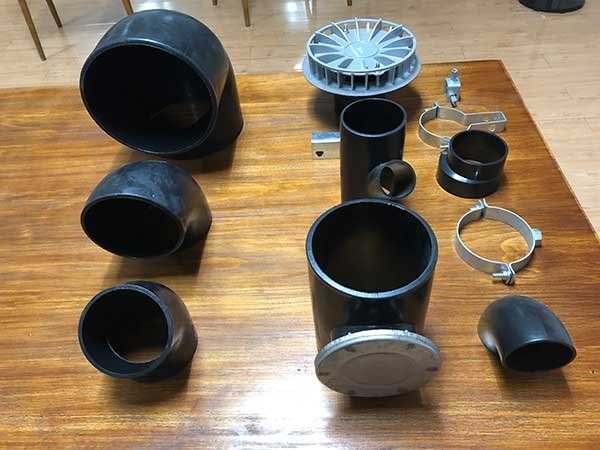
Elbows, tees, crosses, end caps, flanges and electrofusion fittings that complete the pipe systems on this site.
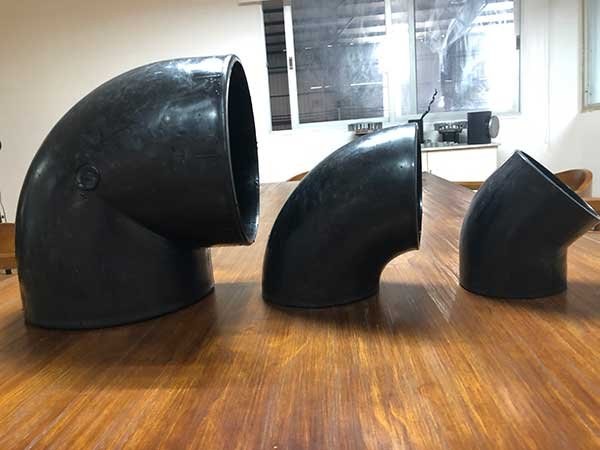
The Fittings Range
Polyethylene pipe fittings match the pipe in material and pressure class so the joint is as strong as the line itself. The range covers direction changes, branches, closures and transitions to valves, pumps and other pipe materials.
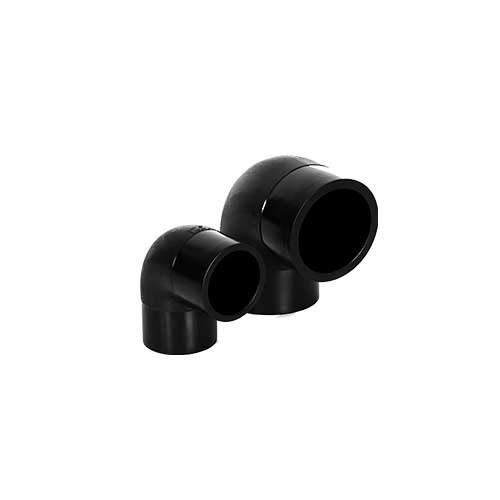
90 Degree Elbows
Direction changes at right angles for mains and branches.
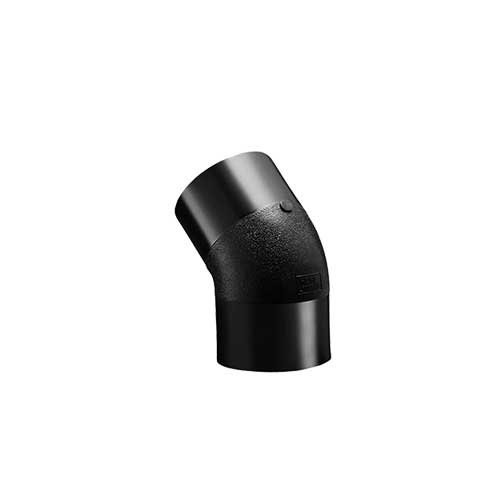
45 Degree Elbows
Gentle direction changes that keep flow losses low.
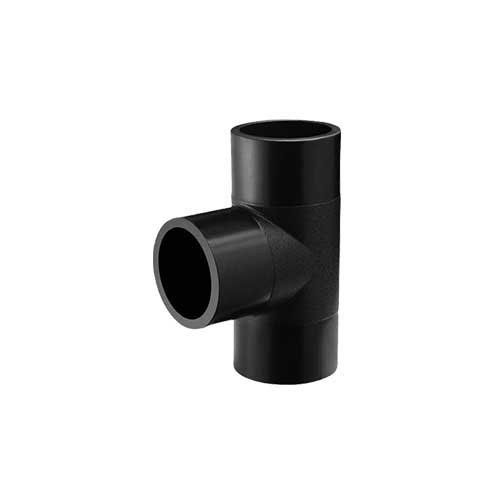
Tees
Equal and reducing tees for branch connections.
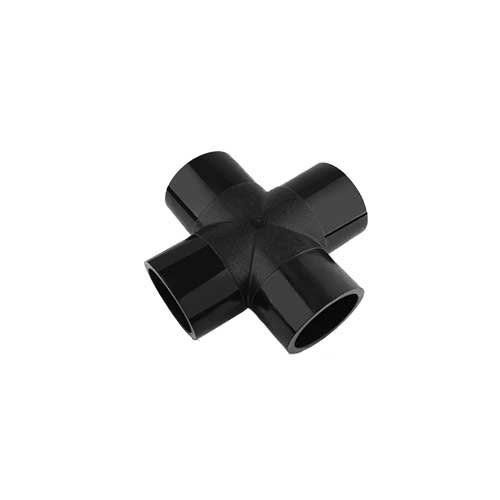
Crosses
Four way junctions for distribution layouts.
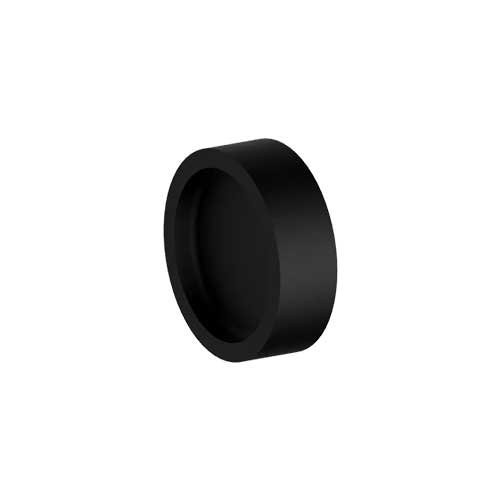
End Caps
Closures for line ends and future extensions.
Flange Fittings
Transitions to flanged valves, pumps and steel lines.
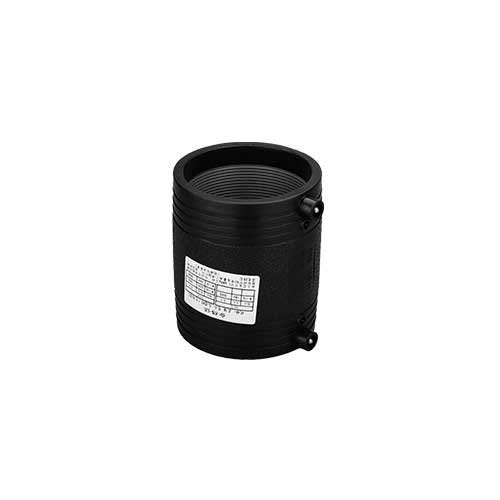
Electrofusion Couplers
Straight electrofusion joints for repair and extension work.
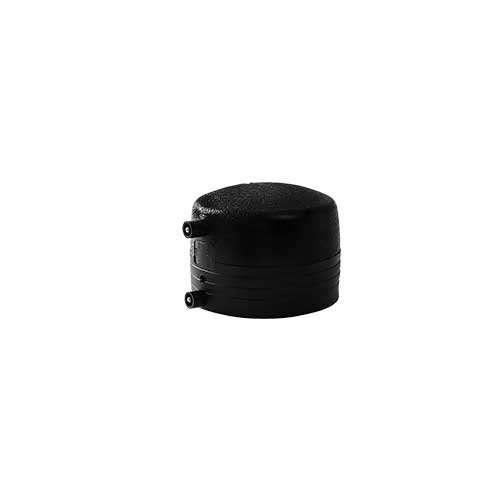
Electrofusion Sockets
Socket form electrofusion joints for smaller diameters.
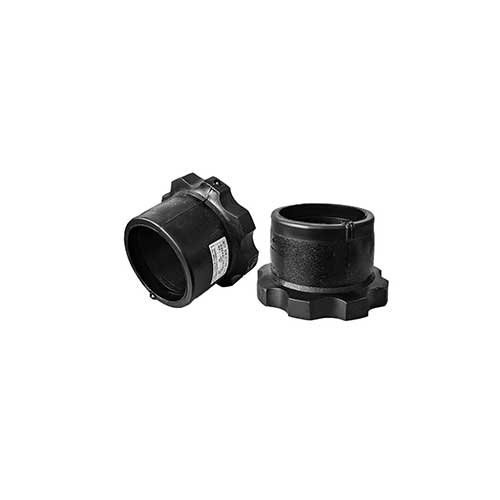
Flange Sets
Flange fitting sets matched to the electrofusion range.
Electrofusion Welding
Electrofusion welding joins PE pipe and fittings using fittings with built in heating wires. The method applies to all pipe sizes, joins pipes and fittings of the same or different grades and materials, needs modest equipment investment and is simple to learn and repeat. The finished joint keeps a smooth inner wall, so flow rate is unaffected.
The working sequence runs as follows. Cut the pipe square with a plastic pipe cutter and remove burrs. Clean the joint surfaces, mark the insertion depth and scrape the outer layer. Slide the fitting into place and position it correctly. Secure and align the clamps so both ends share one axis. Set the welding machine parameters and run the weld cycle. Keep the joint clamped through the full cooling time, then release the clamps once cooling is complete.
A good joint shows no bulges, cracks or overflow of molten material, and the joint sits tight with no gaps. Fittings with inspection holes should show the indicator raised after welding. There should be no resistance wire showing at the joint. A soap water check after cooling shows bubbles only where a seal has failed, and a pressure test confirms sealing on high pressure lines. In cold weather below minus 5 degrees and in windy conditions, add protection or adjust the process.
Request a Quote
Send us your pipe sizes, pressure class, lengths and delivery location. Our team will reply with a clear quotation and a delivery plan for your project.
Phone: (945) 227-9608
Email: contact@lifestyleconstructionsupplies.com
Website: lifestyleconstructionsupplies.com
Address: 811 East Plano Pkwy Ste 117, Plano, TX 75074