
Veneer by Lifestyle Construction & Supplies
Wood Veneer
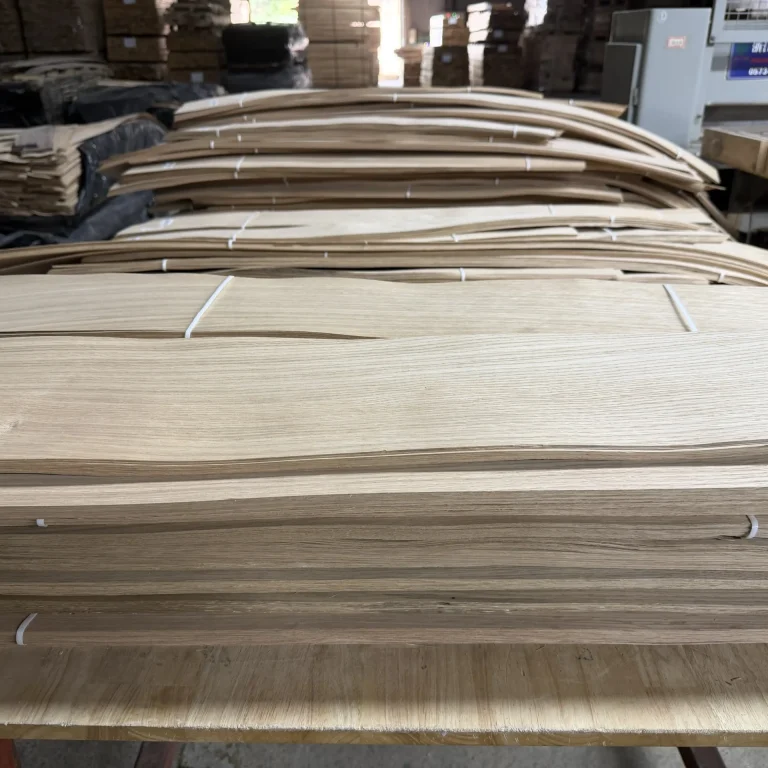
Natural wood veneer sliced from real timber, in Birch, White Oak, Red Oak, Black Walnut, Maple, Cherry and more. Thin, consistent sheets for panels, doors, cabinetry and fine millwork, with the authentic grain and texture of solid timber.
The Veneer Range
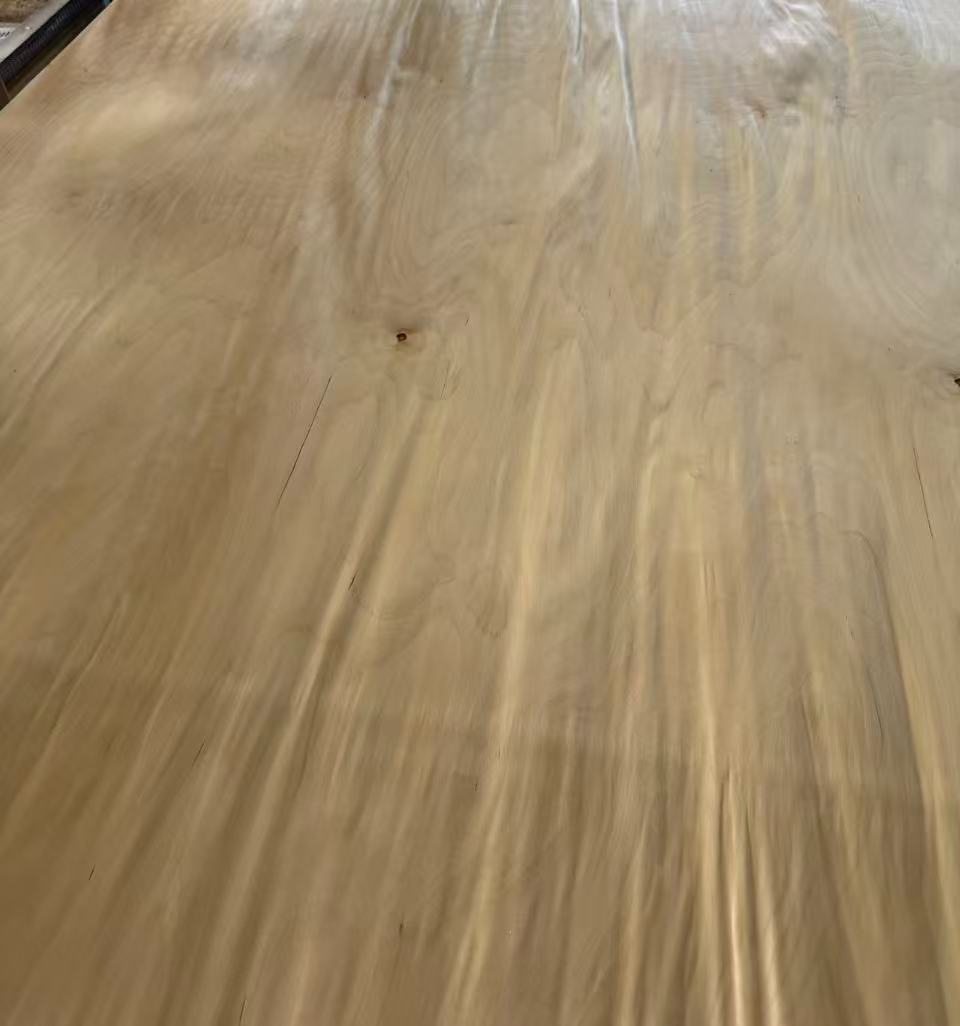
Birch Veneer
A premium, lightweight architectural wood surface with a pale, clean aesthetic and exceptional finishing versatility.
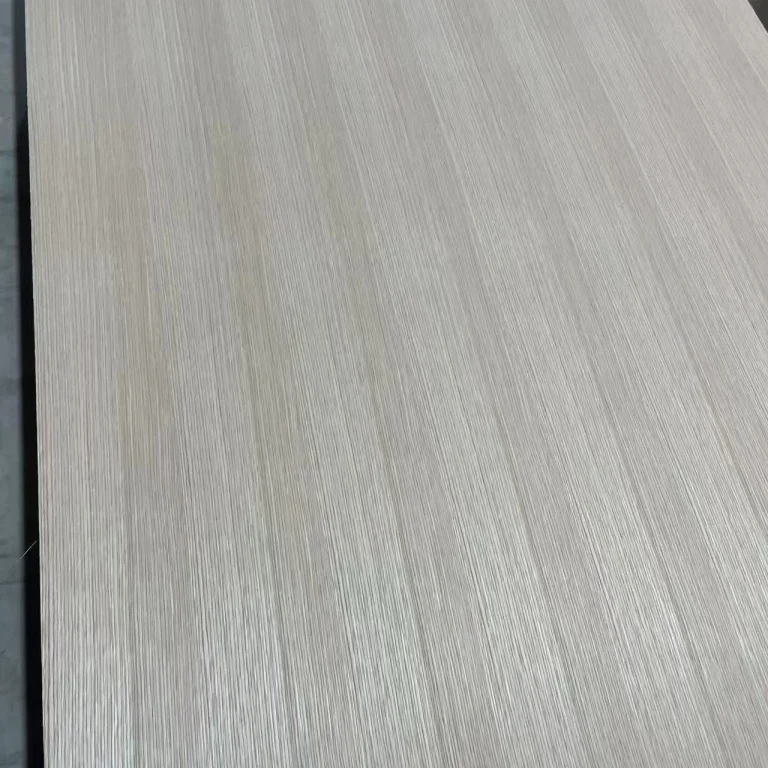
White Oak Veneer
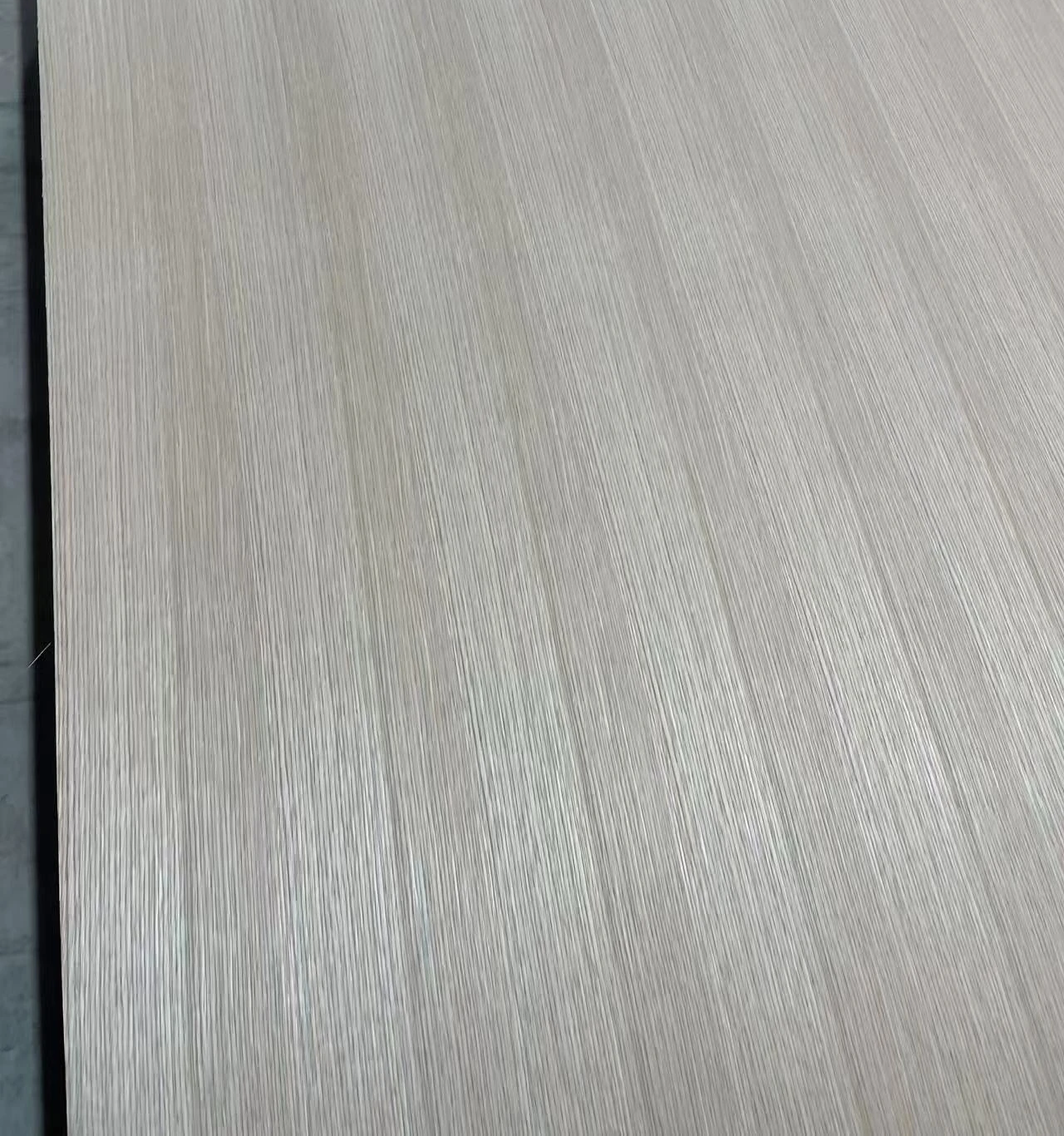
An elite architectural grade surface with an exceptionally straight, parallel grain, specified for high end modern interiors and bespoke cabinetry.
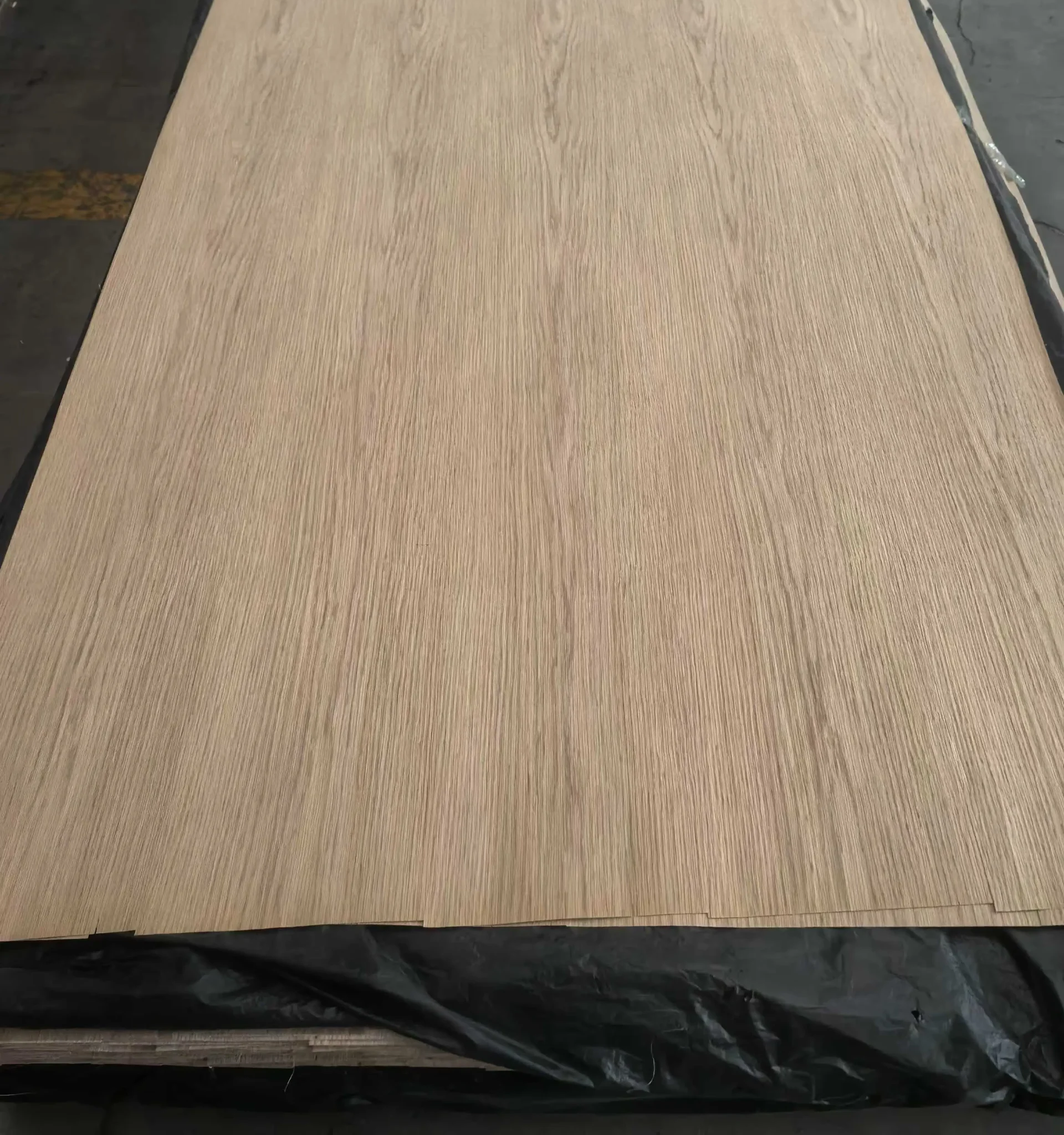
Red Oak Veneer
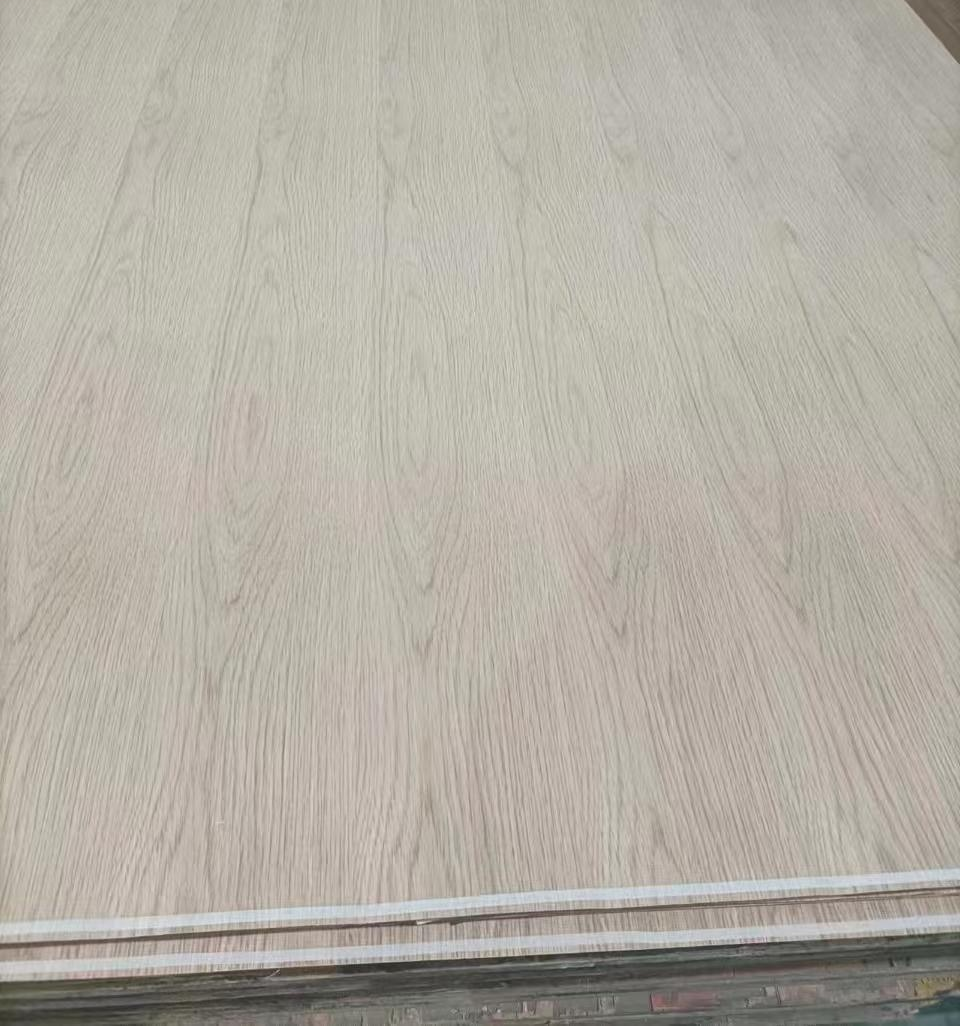
A classic architectural grade surface with warm reddish brown undertones and a prominent open grain figure.
Technical Specifications
| Length Range | 2600mm-3500mm |
|---|---|
| Thickness | 0.26mm-0.6mm |
| Minimum Width | ≥100mm |
| Wood Species | Birch, White Oak, Red Oak, Black Walnut, Maple, Cherry etc. |
| Veneer Cut | Slice / Rift Cut, Rotary Cut |
| Grain | Linear Stripe, Crown Grain, Half Crown&Half Straight |
| Moisture Content | 8%-14% |
| Certification | CARB Phase 2, EPA TSCA Title VI, CE, FSC, EUDR |
| Usage | Cabinet, Furniture, etc. |
| MOQ | One 20GP Container |
White Oak Veneer
White Oak Veneer is an elite architectural grade surface material specified for high end modern interiors, bespoke cabinetry, and luxury millwork. Produced by slicing North American White Oak (Quercus alba) at a precise 15 degree angle to the annual rings, this specialized cut accentuates an exceptionally straight, parallel grain pattern while effectively eliminating the bold cathedral arches and heavy medullary ray flakes typical of plain sliced or quarter sawn cuts. The result is a clean, neutral wheat to biscuit colored sheet with unmatched visual consistency across large panel installations.
Technical Specifications
| Length Range | 2600mm-3500mm |
|---|---|
| Thickness | 0.26mm-0.6mm |
| Minimum Width | ≥100mm |
| Veneer Cut | Slice / Rift Cut, Rotary Cut |
| Grade | AAA/AA/A/AB |
| Grain | Linear Stripe, Crown Grain, Half Crown&Half Straight |
| Moisture Content | 8%-14% |
| Certification | CARB Phase 2, EPA TSCA Title VI, CE, FSC, EUDR |
| Usage | Cabinet, Furniture, etc. |
| MOQ | One 20GP Container |
Highlights
- Ultra Clean Linear Grain: sliced at a custom angle to yield a consistent, parallel pencil stripe appearance without cathedral patterns or disruptive ray fleck.
- Unmatched Panel Matching: superior grain and color consistency makes it easy to book match or slip match across large scale wall cladding and continuous cabinet runs.
- Flexible Backing Options: available with durable fleece or paper backing systems to allow seamless lamination on MDF, plywood, or curved architectural substrates without splitting.
- Bespoke Surface Treatments: the smooth closed grain structure accepts custom wire brushing, ceruse limed finishes, clear lacquers, or natural oils without blotching.
- Certified Eco Friendly: manufactured in full compliance with CARB Phase 2 and EPA TSCA Title VI indoor air quality requirements.
Common Questions
Natural veneer or recon veneer?
Natural Wood Veneer is sliced directly from real timber logs, preserving the unique, organic grain and imperfections of nature. No two sheets are identical. Recon Veneer, on the other hand, is made from fast growing wood that is dyed and re glued in a mold to create a man made pattern. While Recon offers perfect consistency, Natural Veneer is prized for its authenticity and high end luxury feel.
What are book matching and slip matching?
These refer to how veneer sheets are arranged. In Book Matching, every other leaf is turned over like the pages of a book, creating a symmetrical, mirrored image. In Slip Matching, sheets are laid side by side without flipping, resulting in a repeating pattern that highlights the grain natural slant.
What substrate should veneer be bonded to?
For the best results, wood veneer should be bonded to a stable substrate like Plywood, MDF, or Particle Board. It is not recommended to apply thin veneer directly to solid lumber, as the natural expansion and contraction of the solid wood can cause the veneer to crack or bubble.
How does the cut change the pattern?
The way a log is sliced determines the visual pattern. Plain Sliced, or Crown Cut, is sliced parallel to the center of the log, creating a cathedral or arched grain pattern. Quarter Sliced cuts the log at a 90 degree angle to the growth rings, resulting in a straight, linear grain. Rift Cut is often used with Oak to minimize fleck or medullary rays, providing an exceptionally clean, straight grain look.
Why does color vary between sheets?
Because wood is a natural biological product, variations in soil, climate, and age cause subtle differences in color and grain even within the same species. Additionally, natural wood oxidizes and changes color when exposed to UV light and finishes. This unique variation is the hallmark of genuine wood.
Start Your Plywood Project Today
Send your sizes, thicknesses and quantities and receive factory direct pricing with a fast response, normally within 24 hours. Samples are available on request.
Call (945) 227-9608 or email contact@lifestyleconstructionsupplies.com.