
Polycarbonate by Lifestyle Construction & Supplies
Light Diffusing Polycarbonate Sheets
Reference LCS-PC-109
Opal and translucent light diffusing polycarbonate sheets, 1 to 12 mm thick and up to 2100 mm wide, for linear luminaires, retail lightboxes, wayfinding signs and backlit panels.
Source opal and translucent polycarbonate diffuser sheets for LED luminaires, advertising lightboxes and illuminated signs. Lifestyle catalogue lists 1 to 12 mm thickness and widths up to 2100 mm. For OEM lighting and equipment procurement, select the panel around the light source, enclosure depth and finished part drawing not a colour photograph alone.
Ordering full sheets? Give the thickness, sheet size and quantity in your bulk sheet enquiry. For a cut to size PC light diffuser plate, send the finished dimensions, edge finish, fixing hole drawing and first article quantity. Use the sample and production RFQ template.
Download the LED diffuser sample trial record (fillable PDF) to compare two samples in your fixture. See how to record hot spots and compare readings.
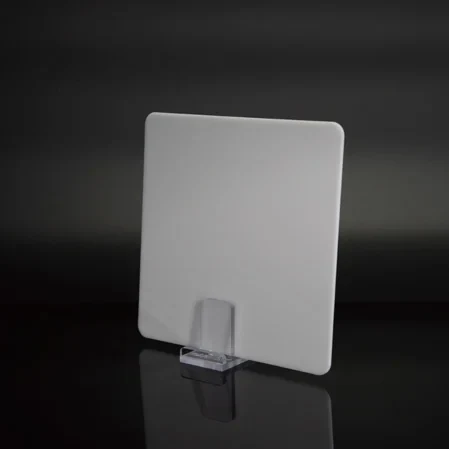
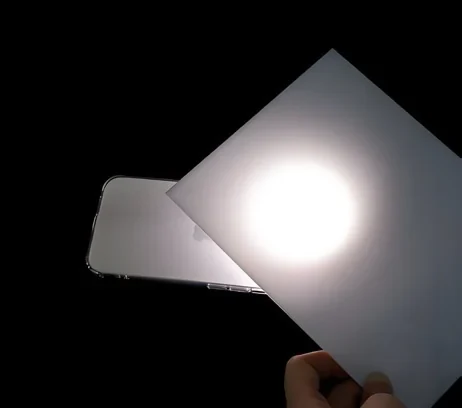
PC light diffuser sheet specification
| Selection field | Catalogue reference | Confirm for your order |
|---|---|---|
| Material | Polycarbonate with light diffusing additives; virgin material listed | Resin grade and optical formulation |
| Thickness | 1 to 12 mm | Selected gauge, tolerance and cut part dimensions |
| Width | Up to 2100 mm | Available production format and finished width |
| Colour | Translucent or opal | Approved sample, colour consistency and transmission |
| Length | Not specified in this brochure | Required sheet length, cutting plan and packing |
| Optical acceptance | No grade specific transmission or haze value in this table | Test method, specimen thickness and target limits |
Choosing an LED diffuser sheet for a lightbox
Give the supplier the LED spacing, distance to the diffuser, viewing distance and lit aperture. Compare samples in the same housing at the same drive setting. Record bright spots, edge shadows, apparent colour and transmitted light before choosing the panel thickness and finish. See how to identify bright spots in a lightbox.
Choose diffusion for the complete light assembly
A diffuser spreads visible light to reduce visible point sources. The brochure describes extruded PC containing diffusion additives, with applications in LED panels, lightboxes and architectural illumination. Trial the actual thickness and finish with your LED spacing, source to panel distance, reflector and power setting. Compare brightness, visible hotspots and colour consistency before approving a production sample.
For a cut to size opal polycarbonate diffuser sheet enquiry, provide the aperture dimensions, retaining frame, hole locations and edge finish. Agree dimensional tolerances against the process and drawing. Outdoor signage additionally needs a specified UV protection construction and weathering evidence; UV resistance or a fire classification is not established by these photographs.
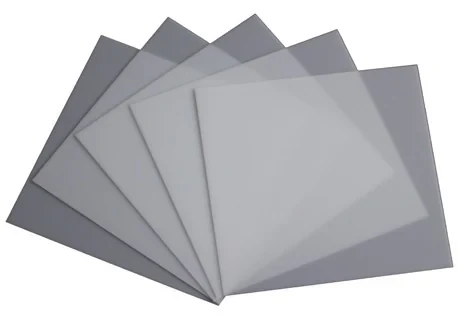
Polycarbonate or acrylic LED diffuser plate?
Compare PC and PMMA diffuser samples at the same LED pitch, drive current, cavity depth and aperture. Record transmission, haze or diffusion data with the test method, then judge LED visibility and colour uniformity in the finished lightbox. If a tender specifies a glare rating such as UGR, ask the lighting designer for the luminaire photometry and room assumptions. A diffuser sheet by itself cannot establish the installed glare rating.
For an optical diffuser plate quotation, specify the finished dimensions, viewing side, edge treatment, texture orientation, fixing holes and first article quantity. Ask for the price and lead time for that drawing and for the repeat order quantity separately.
For purchasing engineers, lighting OEMs and IoT teams
Distributors can request sheet formats, packing and colour samples. Lighting OEMs and equipment integrators should supply a CAD/PDF drawing and define which visual defects matter in the lit assembly. End users replacing a diffuser should identify the original panel size, thickness, mounting and light source arrangement.
An opal diffuser is not a clear sensor window. For an IoT receiver or optical sensor, scattering may change the signal path: review wavelength, transmission and geometry with the device team. Use the IoT polycarbonate window checklist for that separate selection task.
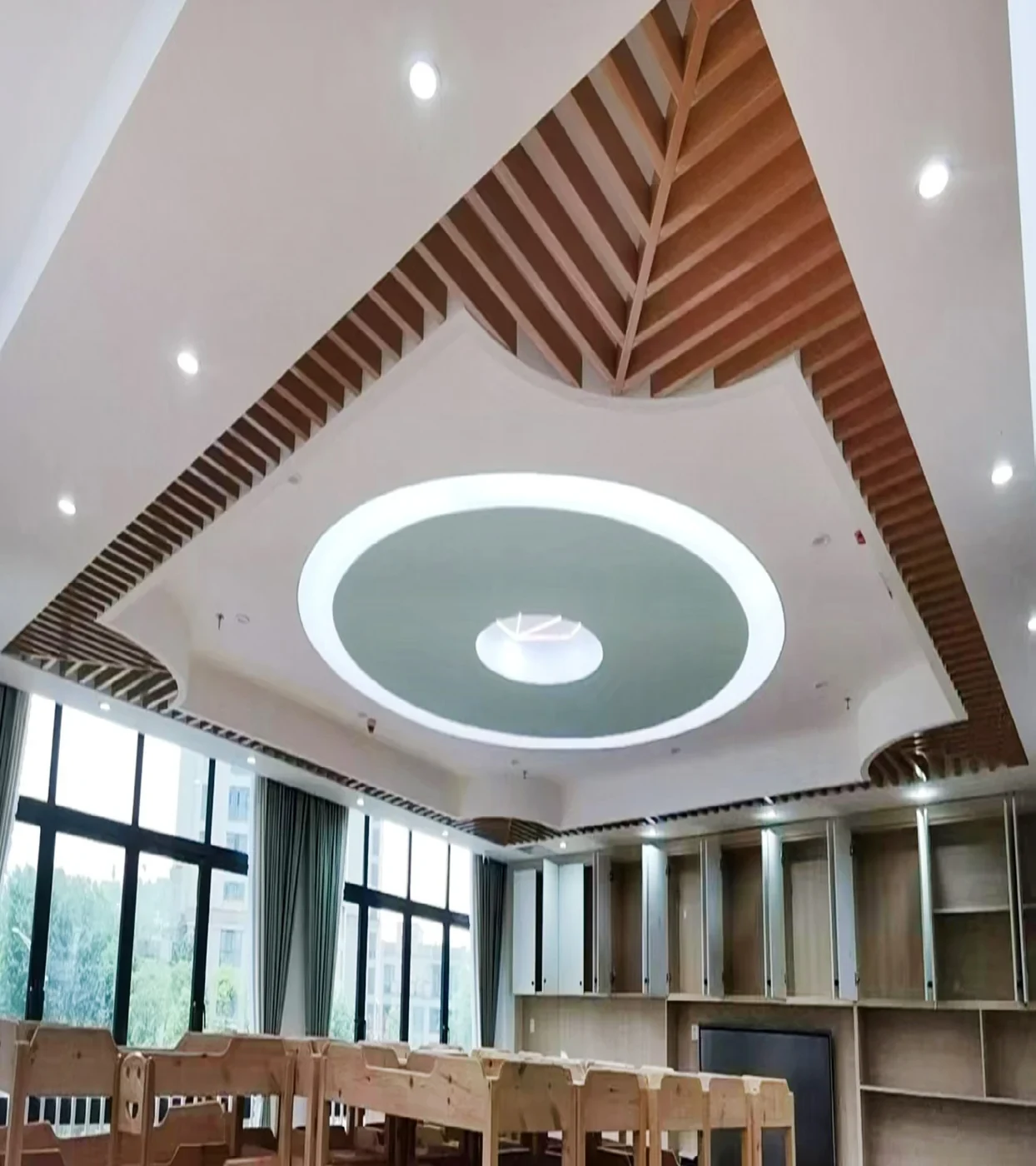
Catalogue lighting references
| Country / use | Brochure specification | Brochure area |
|---|---|---|
| China · interior lighting | 2 mm opal diffuser | 2,000 m² |
| China · metro lightboxes | 5 mm opal diffuser | 3,000 m² |
| China · wayfinding signs | 3 mm opal diffuser | 5,000 m² |
| China · airport signs and lightboxes | 3 / 5 mm opal diffuser | 7,500 m² |
These are supplier described catalogue records, not independent optical tests or a recommendation to reuse the same gauge in another installation. Sample approval remains specific to your luminaire or sign.
Approve a light diffuser sample before a bulk or repeat order
For an opal polycarbonate diffuser sheet bulk order, agree how the sample becomes the production reference. A small swatch helps select appearance, but a finished LED lightbox cover or luminaire panel should also be assessed in the intended assembly. Identify the sample, thickness, surface, colour and drawing revision so purchasing, engineering and incoming inspection use the same reference.
| Approval stage | What to record | Purchase decision |
|---|---|---|
| Material sample | Sample ID, thickness, finish, colour reference and the optical report for that configuration | Which proposed material moves to the assembly trial? |
| First finished part | Drawing revision, cut edges, holes, functional face and fit in the intended frame | Are the dimensions and fabrication acceptable under the agreed drawing? |
| Illuminated assembly | LED model and layout, source to panel distance, operating setting, viewing positions and agreed uniformity checks | Does the complete assembly meet the buyer’s appearance and lighting requirement? |
| Production and reorder | Approved sample reference, batch identification, inspection sampling and any material or process change | Can the order use the previous approval, or is a new sample required? |
Keep transmission and scattering requirements separate. ASTM D1003 21 addresses luminous transmittance and haze for essentially transparent plastics; its scope directs materials with haze above 30% to Practice E2387. Ask the laboratory to select the appropriate method for a strongly diffusing sample. Do not treat every supplier’s percentage labelled “diffusion” as the same measurement.
Agree numerical limits only after the proposed configuration and test method are identified. A catalogue image, a backlit photograph or a report for another thickness does not define batch acceptance. Retain an approved reference sample and record inspection conditions so a later colour or brightness difference can be investigated without relying on camera exposure settings.
Distributors ordering multiple thicknesses should list acceptance requirements by SKU. Lighting OEMs and equipment integrators should identify whether a design change to the LEDs, enclosure depth or panel finish requires another assembly trial. For transparent camera or sensor covers, use the separate IoT window validation checklist; diffuser approval is not optical window approval.
Greenhouse light conversion is a separate procurement question from an LED diffuser cover. See the greenhouse optical comparison and field record guidance before using agricultural claims in a sheet specification. Include the approved sample and drawing references with the bulk order RFQ and confirm the sample and inspection scope in Samples & Supply.
Match the diffuser sheet enquiry to the lighting assembly
When buying cut to size PC diffuser panels for LED lightboxes, include the illuminated assembly in the brief. The same looking opal sheet can be evaluated differently in a shallow linear light, a deep sign cabinet or an outdoor backlit facade. Keep the required appearance, available enclosure depth and finished panel drawing together when requesting samples.
| Use | Send with the enquiry | Decide during the sample review |
|---|---|---|
| Linear luminaires and office lighting | LED layout, source to panel distance, viewing positions and the cover’s finished profile | Agreed appearance at the intended operating setting, plus fit and fastening |
| Retail lightboxes and wayfinding signs | Cabinet depth, light layout, graphic or print layers, panel dimensions and service access | Uniformity across the assembled face and the appearance of colours and lettering |
| Outdoor architectural backlighting | Exposure, temperature conditions, panel support and cleaning method | Offered UV configuration and evidence appropriate to the finished construction |
| Equipment status displays | Indicator positions, opaque masking, viewing angles and any separate sensor aperture | Indicator visibility and unwanted light transfer; validate sensor windows separately |
For an opal polycarbonate diffuser sheet supplier comparison, ask each bidder to identify the quoted thickness, colour and surface against a physical sample. Separate material optical measurements from the customer’s assembled lighting acceptance. The existing sample approval plan explains how to record the reference and carry it into a repeat order.
The archived lighting page’s “zero hotspots” statement is not used as a universal sheet specification. Approve the appearance with the selected LEDs and enclosure. Similarly, if fire behaviour is a purchasing requirement, request the report for the offered grade and thickness rather than transferring a rating from another clear PC sample. Use the report verification checklist to match the evidence to the quotation.
For a printed diffuser or backlit control face, coordinate the artwork, clear windows and sample approval with the optical trial. Purchasing engineers should specify material and batch quantities; product engineers should define the lit assembly acceptance; the installer or end user should describe access, cleaning and replacement conditions. Lifestyle can review those inputs together before confirming the offered sheet and processing scope.
Textured or opal PC diffuser: specify the surface as well as the colour
For a textured polycarbonate sheet RFQ for LED covers, distinguish the surface appearance from the optical result you need. “Embossed”, “frosted”, “matte” and “opal” should not be treated as interchangeable purchasing descriptions. Send a physical reference or an identified sample, then ask Lifestyle to confirm the offered construction and available sheet format.
| Buyer description | Clarify with the supplier | Check in the intended use |
|---|---|---|
| Embossed / textured | Pattern reference, one or both faces, orientation and colour | Pattern visibility, lit appearance and the face exposed to handling or cleaning |
| Frosted / matte | Sample reference and whether the finish is a surface treatment or another construction | Reflections and visibility under the actual lighting and viewing angles |
| Opal / translucent | Colour, thickness, formulation reference and any additional texture | Brightness and point source visibility in the assembled lightbox or luminaire |
| Prismatic | Required geometric pattern and optical design; confirm availability separately | Light distribution appropriate to the fixture, rather than assuming ordinary diffusion |
When a distributor requests a frosted polycarbonate privacy panel sample, include viewing distance, background lighting and whether silhouettes must be obscured. A textured sample photograph cannot establish privacy in every installation. Similarly, “anti glare” in an enquiry needs a defined reflection or viewing requirement; it does not establish optical clarity for an inspection window.
Mark the functional face on the finished part drawing and agree handling, cleaning and any fabrication trial. Do not infer abrasion resistance from a matte appearance. If a coating is required, confirm its compatibility with the selected finish and processing sequence using the industrial coating comparison checklist.
Keep the optical acceptance and sample records described above with the order. For a camera or receiver that needs a clear signal path, use the sensor window validation guide. For sheet sizes, quantities and cutting requirements, send the finish reference with your diffuser panel enquiry.
What should an LED manufacturer put in a diffuser sheet RFQ?
Copy these lines into your enquiry so suppliers can quote the same polycarbonate LED light diffuser sheet and distinguish the sample cost from the repeat order price.
• Project and optics. Fixture [type], environment [indoor/outdoor], appearance [opal/translucent], LED pitch [mm], distance from LEDs to diffuser [mm]. State the viewing conditions for checking visible LED spots and any required optical or fire test method.
• Material sample. Thickness [mm], sample size [mm] and quantity [pieces]. Ask the supplier to identify the grade, finish and sample reference for your lit fixture trial.
• Machined first article. Drawing [number and revision], finished dimensions [mm], quantity [pieces]. Mark the visible face, edge finish and critical fit dimensions. Agree the inspection criteria with the supplier before machining.
• Production order. Full sheets or finished parts [format], quantity per release [units], destination [city and country] and required date [date]. Request separate sample, first article and batch prices, with packing, freight and lead time itemised. Reference the approved sample and fixture trial record on repeat orders.
Drawing led fabrication · Samples, MOQ and supply terms · Available evidence and report scope · Application selection
Request a Quote
Send your application, sheet thickness and dimensions, colour, quantity, destination and target date. Our team will reply with a recommendation and a clear quotation.
Phone: (945) 227-9608
Email: contact@lifestyleconstructionsupplies.com
Website: lifestyleconstructionsupplies.com
Address: 811 East Plano Pkwy Ste 117, Plano, TX 75074